Note for diabetics: Physical activity has significant effect on blood sugar levels. Therefore, it is important to stabilise blood sugar before exercise.
Aerobic (with oxygen) or cardiovascular exercise:
Some muscle fibres need little glucose and a lot of oxygen. They can move small loads for long periods of time.
Example: jogging, walking, relaxing cycling, etc.
Showing posts with label insulin. Show all posts
Showing posts with label insulin. Show all posts
19 August 2018
09 July 2018
Diabetes and Exercise

People who exercise look healthier and younger. Exercise has anti-aging properties: Anti-Aging Treatment: High Levels Of Exercise Increase Lifespan Up To 9 Years.
For type 1 diabetics, you still need to control blood sugar with insulin injections. Exercise will not help as much in blood sugar control, as it does with type 2 diabetics. For both diabetics, exercise has many beneficial effects:

25 March 2017

04 February 2017
Sick Pets
Below is a picture of Choco (7 years old), my brother's dog, happily eating "whole" animals, bones, skin and organs as part of his daily diet. He is free to consume as much as he wants and the parts he likes most.

06 July 2016

30 June 2016
How to Reverse Type 2 Diabetes Naturally - Jason Fung
Dr Jason Fung: How to Reverse Type 2 Diabetes Naturally
Great, easy-to-understand presentation on how to reverse type 2 diabetes.
Diabetes is a problem of insulin resistance. If we treat diabetic patients with insulin, they develop even more insulin resistance, it will make their diabetes worse over time.
Diabetes is a dietary disease, and it should be treated with dietary intervention and not medicine.
For more, check out Jason Fung's blog: Intensive Dietary Management.
Great, easy-to-understand presentation on how to reverse type 2 diabetes.
Diabetes is a problem of insulin resistance. If we treat diabetic patients with insulin, they develop even more insulin resistance, it will make their diabetes worse over time.
Diabetes is a dietary disease, and it should be treated with dietary intervention and not medicine.
For more, check out Jason Fung's blog: Intensive Dietary Management.
07 March 2016
Modern Epidemic
“When diet is wrong, medicine is of no use. When diet is right, medicine is not needed.“Obesity and chronic diseases
- Ayurvedic wisdom
Today, obesity is increasing at an alarming rate. Fat tissue growth increases our risk for chronic diseases, such as diabetes, cancer, heart disease etc. By this logic, if we lose fat tissue, we also reduce our risk for these diseases at the same time. So, what makes us fat?
09 January 2016
Ketogenic Diet
The benefits of a ketogenic diet are numerous. It not only enhances physical performance, it also gives a better chance for recovery from chronic diseases.
21 September 2015
Salt
It is very important to consume adequate amounts of salt. So, how to know the right amount of salt we should eat. The best way to measure it, is to listen to your taste buds:
09 May 2015
Fat Loss Instead of Weight Loss
Fat tissue is built with the help of the hormone insulin. When insulin levels are high, we store the energy from our food as fat. Carbohydrates (bread, pasta, noodles, potatoes etc), if consumed in excess, will be converted to fat and stored in the fat tissue.
Insulin is released in response to:

Insulin is released in response to:

19 October 2014
Carbohydrate Tolerance
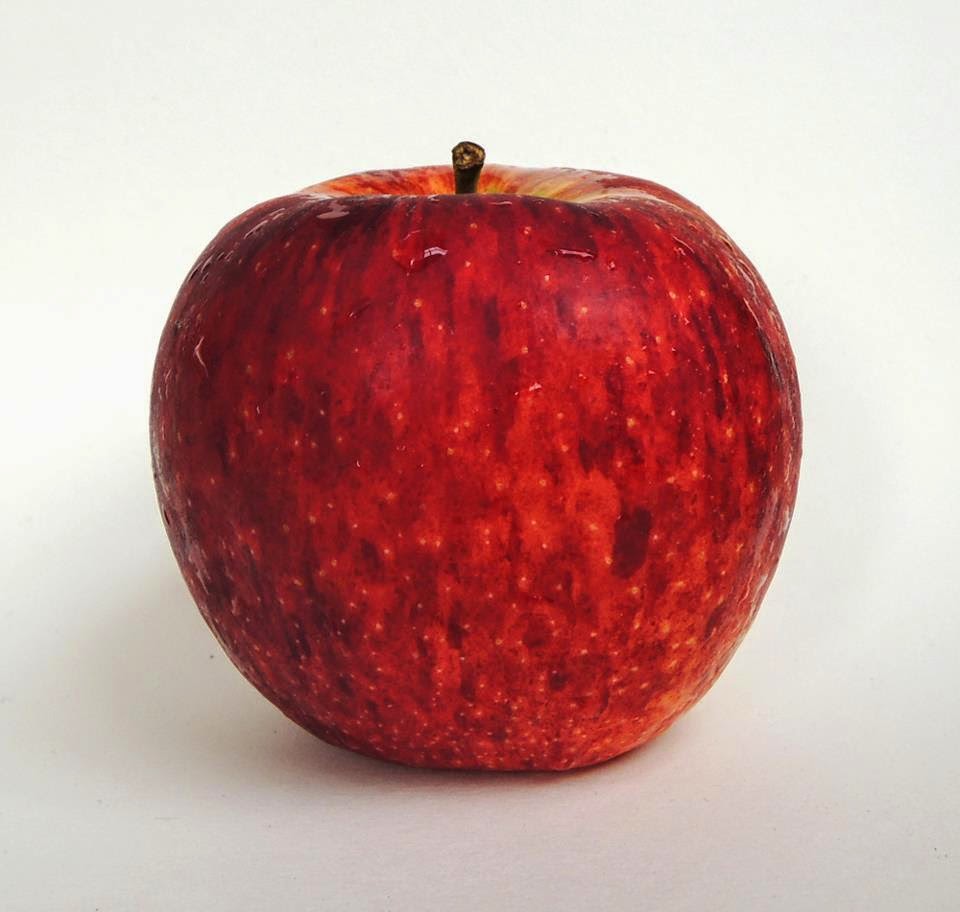
We are all different and our tolerance to carbohydrates also differs depending on:
- the quantity of carbohydrates consumed
- the quality of these carbohydrates
- the amount of time we've been consuming these different types of carbohydrates
- the genetic profile of the individual.
25 May 2014
Diabetes and Blood Sugar Control
"There are essential amino acids and essential fatty acids, but there is no such thing as an essential carbohydrate."
- Dr. Bernstein (Diabetes Solution)
03 March 2014
Cancer - A Metabolic Disease
Cancer seems to be unstoppable according to this article: Worldwide cancer cases expected to soar by 70% over next 20 years.
"The incidence of cancer globally has increased in just four years from 12.7m in 2008 to 14.1m new cases in 2012, when there were 8.2m deaths. Over the next 20 years, it is expected to hit 25m a year – a 70% increase."
19 January 2014
Metabolic Syndrome

Great summary from the book Fat Chance (Robert H. Lustig) about the development of Metabolic Syndrome (in bold):
17 January 2014
Video Presentation: Fat Chance
Recently I've been quoting a lot from the book Fat Chance, by Robert H. Lustig (I borrowed it from the library), and here's the easy-to-understand presentation. If you watch this video, you don't even need to read the book.
Enjoy!
13 January 2014
Leptin, the Hunger Hormone
"The journey through obesity and chronic metabolic disease begins and ends with the hormone insulin, the energy storage hormone [...]. There is no fat accumulation without insulin. Insulin shunts sugar to fat. It makes your fat cells grow. The more insulin, the more fat, period." (my emphasis)
- Dr Robert H. Lustig, Fat Chance
08 December 2013
VIDEO: Dr Jeff Volek about Low-Carb Diet
This is a video about going from a high-carbohydrate to a low-carbohydrate diet. Here are a few notes:
"Sweden has become the first Western nation to develop national dietary guidelines that reject the popular low-fat diet dogma in favor of low-carb high-fat nutrition advice."
08 November 2013
The Effects of Fructose
I recently received a little present from Hungary: a chocolate bar. I was very surprised to read on the packaging: “Suitable for diabetics”. I checked the ingredients behind, it listed 35% fructose!


06 November 2013
Dietary Fat as Brain Fuel
Interesting article: The Fat-Fueled Brain: Unnatural or Advantageous? Are we better adapted to a ketogenic diet, where we use the energy from dietary fat rather than from glucose (carbohydrates)? I already gave details about how our body adapts when carbohydrates are lacking from our diet: Do We Need Carbohydrates in our Diet? Apparently, this kind of diet was not a problem for the Inuit, Aborigines and many native tribes of Africa. They did not develop the diseases of the modern world.
04 September 2013
Brain - Cancer and Alzheimer's
Article Number 1:
Subscribe to:
Posts (Atom)